Auto Repair Tips: Why Regular Maintenance Matters
Routine maintenance is crucial for the performance and safety of vehicles. By adhering to a consistent maintenance schedule, drivers can eliminate the risk of costly repairs, enhance the longevity of their vehicles, and maintain compliance with established safety standards. Neglecting these measures may lead to unforeseen issues that jeopardize both the vehicle's performance and the well-being of its passengers.
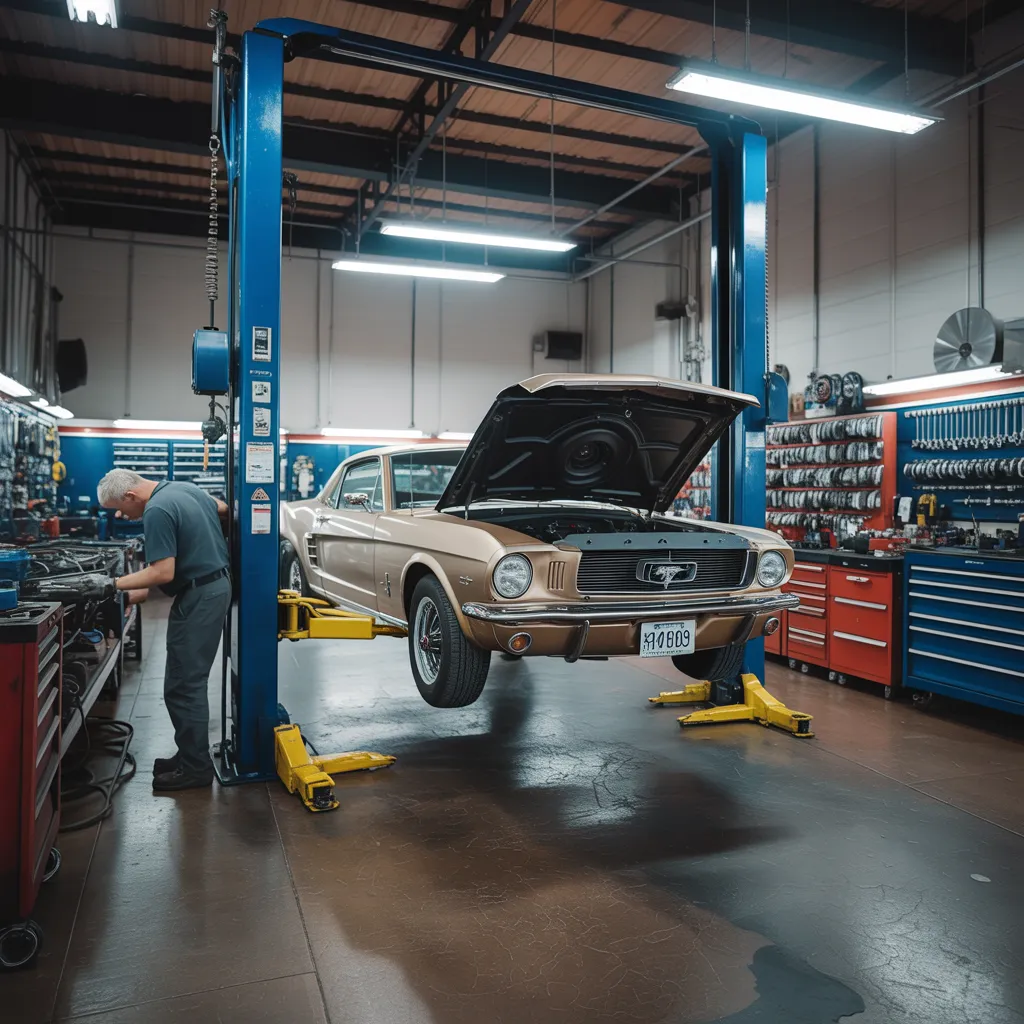
Stop Costly Repairs
Keeping up with a vehicle regularly can significantly lower the probability of costly repairs down the road. Routine checkups and upkeep procedures, such as oil changes, brake checks, and tire rotations, allow problems to be caught early. Overlooking warning indicators or odd sounds can lead to significant damage, creating the need for major repairs. Furthermore, sticking to the manufacturer's maintenance plan guarantees that critical components remain in peak condition. Ensuring fluids are adequately filled, such as engine coolant and transmission fluid, can guard against overheating and component breakdowns. Easy routines like inspecting tire pressure can improve gas mileage and prolong tire longevity. Ultimately, committing to consistent preventive maintenance acts as a forward-thinking approach, resulting in long-term savings and extended vehicle life.
Boost Vehicle Longevity
Investing in routine maintenance is crucial for extending vehicle longevity. Scheduled oil changes, fluid checks, and tire rotations help confirm that critical components function at their best. Neglecting these tasks can lead to accelerated deterioration, resulting in expensive fixes in the future. Additionally, ensuring correct tire pressure and alignment contributes to enhanced fuel efficiency and driving performance, which further extends the life of the vehicle. Monitoring battery health and replacing worn-out parts promptly can prevent sudden mechanical failures. Routine inspections allow for the early detection of potential issues, allowing owners to handle them before they become serious. By focusing on routine vehicle care, vehicle owners can enjoy a smoother, more reliable driving experience and protect the value of their asset.
Guarantee Safety Standards
Ensuring safety standards in vehicle operation necessitates ongoing attention to maintenance routines. Routine inspections of key components, including brakes, tires, and lights, are vital for accident prevention and ensuring optimal performance. Automotive professionals advise following the manufacturer's maintenance schedule, which typically encompasses critical checks and fluid replacements that support overall safety. In addition, monitoring warning lights and addressing issues promptly can mitigate larger, costly repairs. Tire pressure and tread depth should be routinely checked to enhance handling and stability. Moreover, maintaining windshield wipers and fluid levels guarantees clear visibility during adverse weather conditions. By prioritizing these maintenance tasks, vehicle owners can greatly reduce risks and promote a safer driving experience for themselves and others on the road.
Money-Saving Vehicle Upkeep Tips
Numerous car owners look for ways to reduce expenses while ensuring their automobiles remain Plainfield Auto Repair in optimal condition. Regular maintenance can be budget-friendly and effective. A key recommendation is to carry out oil changes according to suggested schedules, as using the right oil can enhance engine efficiency. Furthermore, inspecting tire pressure on a monthly basis not only enhances fuel efficiency but also prolongs tire longevity.
Owners can save money as well by handling air filter replacements on their own, which is a straightforward task that boosts overall engine performance. Regularly inspecting and cleaning the battery terminals can help avoid expensive replacements.
Leveraging online resources for DIY repair and upkeep guides allows owners to handle small problems without professional help. Moreover, participating in local car clubs or online forums can offer valuable guidance and savings on parts. By embracing these economical practices, vehicle owners can maintain their cars efficiently while minimizing expenses.
Frequently Asked Questions
How Frequently Should I Rotate My Tires?
Tire rotation is generally recommended every 5,000 and 7,500 miles, depending on the vehicle and tire type. Routine rotation supports balanced wear, boosts traction, and increases tire longevity, contributing to overall vehicle safety and performance.
What Are the Key Benefits of Using Synthetic Oil?
Switching to synthetic oil boosts engine performance, provides better lubrication, reduces wear, and enhances fuel economy. It additionally tolerates elevated temperatures and offers superior protection against sludge buildup, thereby prolonging engine lifespan and lowering maintenance expenses.
Is It Okay to Mix Different Motor Oil Brands?
Combining various brands of motor oil is typically acceptable, given that they have the same thickness and specifications. That said, it's best to refrain from combining oils with different synthetic and conventional types for peak engine efficiency.
How Can I Tell if My Battery Needs to Be Replaced?
A vehicle battery might require replacing if the vehicle has difficulty starting, shows dimming headlights, or displays a dashboard alert light. In addition, a physical inspection for buildup or swelling can suggest declining battery health.
What Steps Should I Take if My Check Engine Light Turns On?
When the check engine light turns on, it is advisable to first inspect the gas cap for looseness, and then utilize an OBD-II scanner to diagnose error codes. If the problem remains unresolved, it is recommended to seek the expertise of a professional mechanic for a thorough diagnosis.